Educational ROBOTS – future trends
In recent years, the educational robotics market has witnessed strong growth, with more and more investors and educational institutions interested in applying robots in learning environments. According to a report from Grand View Research, the global educational robotics market is experiencing an impressive period of growth, with promising prospects for the near future.
Rapid Growth of the Educational Robots Market
The report shows that the global educational robotics market is valued at approximately USD 2.47 billion in 2022 and is expected to register a compound annual growth rate (CAGR) of around 19.4% from 2023 to 2030. This means that the market is expected to reach $11.21 billion by 2030. This growth is mainly due to the increasingly widespread adoption of robotic technologies in education, from elementary classrooms to higher education courses. Educational robots not only help improve the quality of teaching, but also create a more interactive and interesting learning environment for students.
Investing in Educational Robots: Opportunities and Challenges
Investing in the educational robotics market is not only a lucrative opportunity, but also an important part of innovating teaching and learning methods. Investors are now focusing on developing smart educational robot solutions, which are capable of interacting and adapting to the learning needs of each student. This opens up many opportunities for technology and education companies to develop new products and services. However, there are also some challenges that need to be overcome. The first is that the initial investment cost for educational robotics technology can be quite high, which can hinder the access of some schools and educational institutions. Second, the integration of robots into the current education system requires adequate training and technical support for teachers and students.
Robotics Applications in Education: Outstanding Benefits
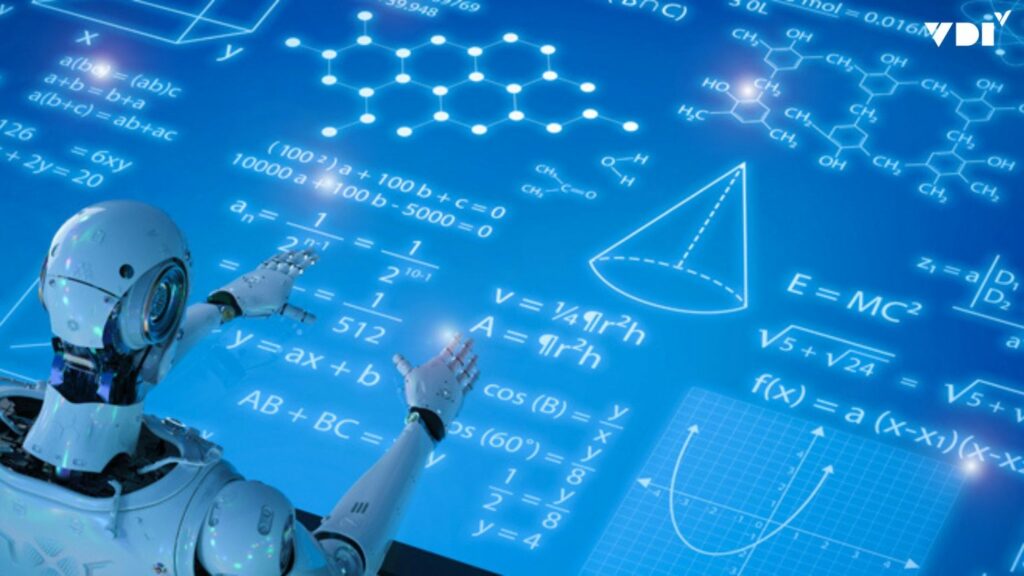
The application of robots in education brings many important benefits. First, robots help create a lively and interactive learning environment, thereby stimulating students’ creativity and curiosity. Second, educational robot solutions can assist teachers in personalizing teaching, helping students acquire knowledge more effectively. Finally, the use of robots in education also helps to prepare students with the skills needed in an increasingly technology-dependent world.
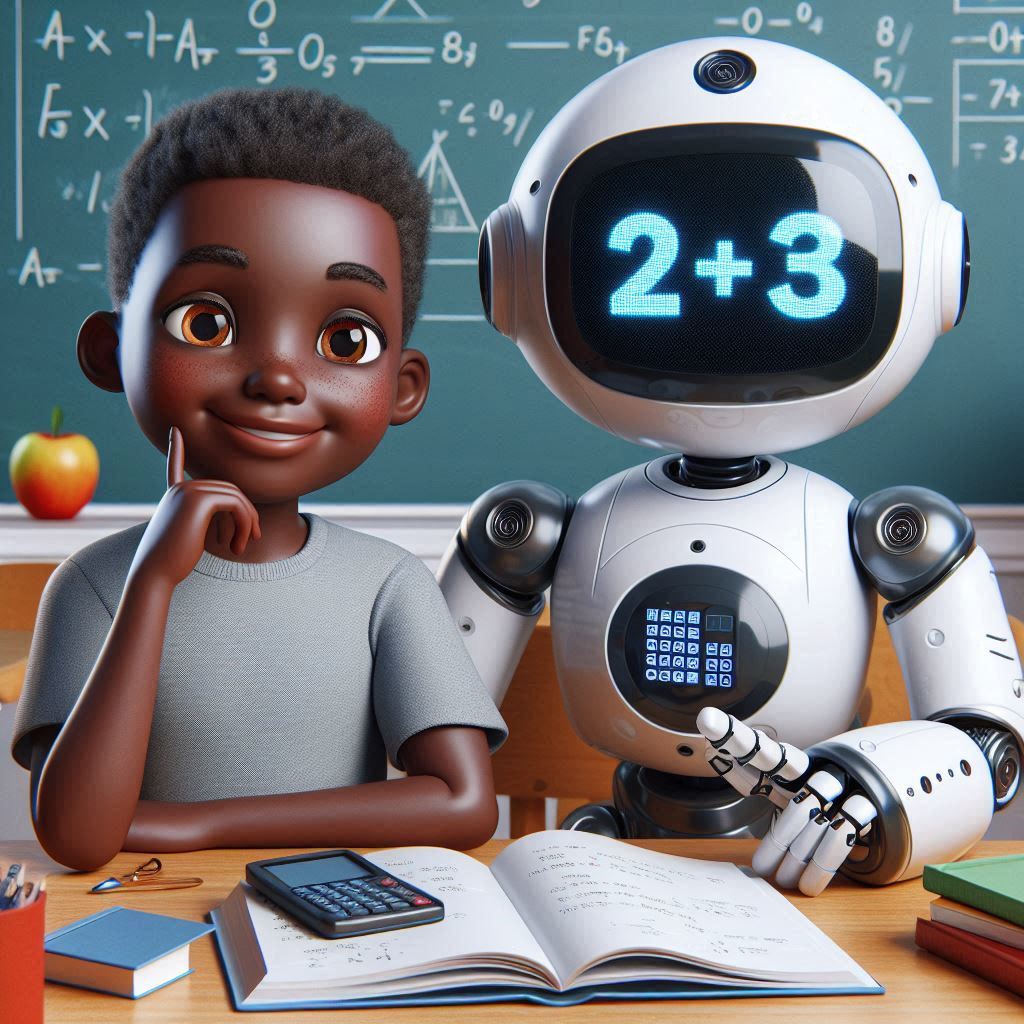
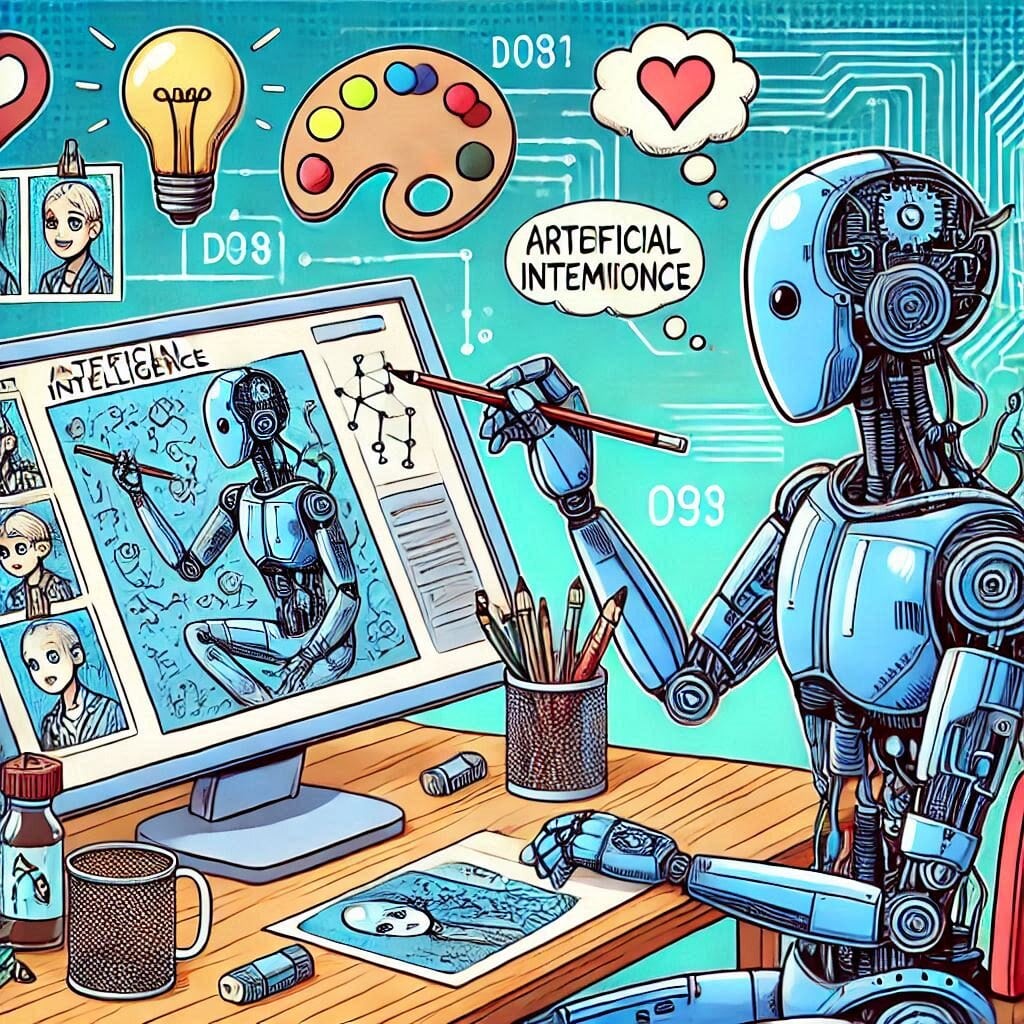
AI-generated images: The future of children’s learning environment with the presence of educational robots
Conclusion: The development of investment in the educational robot market is opening up many new opportunities for investors and educational institutions. With the increase in the application of robots in learning environments, this market promises to continue to grow strongly in the near future. However, to make the most of these opportunities, stakeholders need to overcome challenges and continue to innovate to meet the growing needs of students and teachers
Further reading: https://www.elcom.com.vn/loi-ich-ung-dung-robot-giao-duc-trong-day-va-hoc