AI shaping the future of the gaming industry
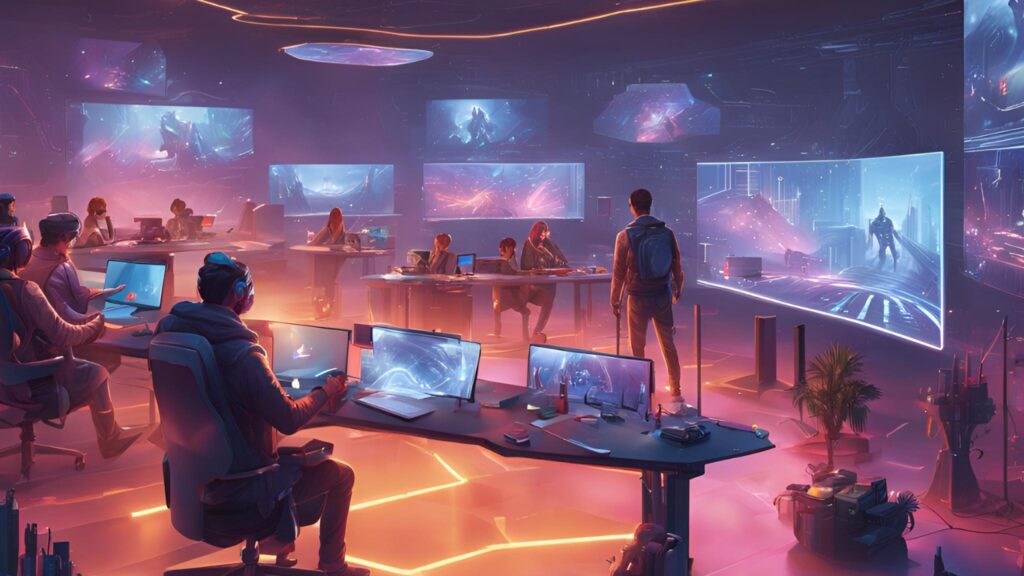
AI (artificial intelligence) technology is completely changing the video game industry, opening up a new future with great development and game experience strides. Tokyo Game Show 2024 is the biggest stage for these groundbreaking AI technologies to be demonstrated, affirming that AI is a supporting tool and an indispensable future of the digital entertainment industry. However, besides the outstanding opportunities, many challenges and risks need to be carefully assessed.

Changes the game development process through AI
AI has demonstrated its remarkable ability to optimize the game development process, from automating content to reducing production costs. At the Tokyo Game Show, Unity Software introduced its AI technology, which simplifies the creation of 3D content and animations, bringing great benefits to the 1.8 million developers who regularly use this platform. This not only shortens development time but also allows for the creation of complex games at a lower cost.
A notable example is NetEase’s AI technology in the game Justice Mobile, where in-game characters are powered by an advanced AI model. These characters are capable of responding intelligently and naturally, creating a more immersive experience for players. The technology also contributes to the creation of dialogue and landscapes that previously required a lot of effort from the development team.
Benefits of AI for the gaming industry
AI technology brings many benefits to both developers and players. For developers, AI helps reduce the burden of building complex game elements such as graphics, storylines, and characters. This allows them to focus more on creating and testing new ideas. HechicerIA, a Spanish startup, showcased its 3D text-to-video technology at the Tokyo Game Show, allowing developers to create 3D scenes from simple descriptions, saving significant time and costs.
For players, AI creates more personalized experiences, as games can adapt based on individual behavior and preferences. AI can make games more diverse and engaging, with each play being a different experience.
Challenges and risks of AI
While AI brings many opportunities, it also poses significant challenges. The rapid development of AI could change the way developers approach their work, and not everyone welcomes this change. Some creators worry that AI could replace creative aspects that are traditionally done manually, devaluing human work.
Furthermore, players may face negative effects when games become too engaging or addictive. According to a study by JAMA Pediatrics, excessive gaming can lead to mental health issues, and when AI helps create overly engaging game scenarios, this can increase the risk of gaming addiction or affect real-life social relationships.
Conclusion
AI is shaping the future of the video game industry, as demonstrated at the 2024 Tokyo Game Show. Not only does this technology accelerate development, it also provides richer and more personalized experiences for players. However, the development of AI needs to be closely monitored to ensure that it brings benefits without diminishing human creativity or causing negative impacts on users. The gaming industry is entering a new era with AI, and it is important to consider both the opportunities and the risks involved.