FUTURE R
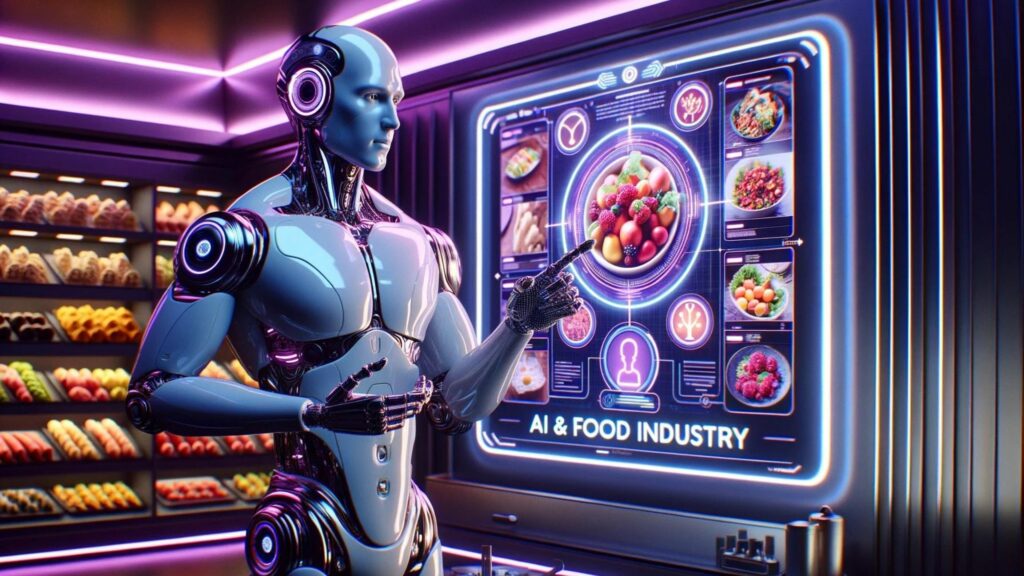
The food industry is undergoing a significant transformation thanks to advancements in artificial intelligence (AI). Various tech companies and startups are harnessing the power of AI to optimize numerous aspects of the food value chain, enhancing efficiency, quality, and safety. Below, we explore six prominent applications of AI that are currently reshaping and will continue to revolutionize this industry in the future.
1. Automated Food Sorting
Sorting is a crucial yet time-consuming aspect of the food production process. For instance, sorting potatoes by size or determining the ripeness of tomatoes can be labor-intensive and prone to errors. However, modern AI technologies, such as those developed by TOMRA Sorting Food, are changing this landscape. These systems employ advanced machine learning algorithms to automatically sort food items based on specific criteria. Utilizing state-of-the-art cameras and sensors, these AI-driven solutions can identify and classify products with incredible speed and accuracy. By significantly increasing productivity, reducing processing times, and ensuring consistent quality, automated food sorting systems are setting a new standard in the industry.
2. Improved Supply Chain Management
Supply chain management is a vital component of the food industry, characterized by stringent safety regulations and the demand for transparency. AI technology plays a key role in enhancing supply chain operations by monitoring every step of the process, from transportation to quality control. For instance, KanKan’s monitoring system leverages AI to track compliance with hygiene standards, thereby improving operational efficiency and reducing risks. By utilizing predictive analytics, companies can better manage inventory levels, forecast demand, and optimize logistics. This level of oversight not only ensures that products are delivered safely and efficiently but also contributes to reducing waste and enhancing sustainability.
3. Forecasting New Product Development Trends
The ability to anticipate consumer preferences is crucial for food companies aiming to develop successful new products. AI technology provides valuable insights into market trends and consumer behavior. For example, Gastrograph AI employs machine learning algorithms to analyze customer feedback and predict the potential success of new flavors and products. By modeling consumer preferences based on demographic data, companies can better tailor their product offerings to meet market demands. This data-driven approach not only streamlines the product development process but also minimizes the risk of failure, allowing companies to invest resources more effectively.
4. Optimizing Cleaning Processes
Cleaning is a critical yet often underappreciated aspect of food production. Traditional cleaning processes can be resource-intensive, consuming both time and materials. The introduction of the Self-optimising-clean-in-place (SOCIP) system represents a significant advancement in this area. This innovative system uses ultrasonic and fluorescence sensors to monitor cleaning quality and optimize procedures. By assessing the presence of chemical residues or microorganisms, SOCIP can adjust cleaning protocols in real time. This approach not only reduces water and chemical usage but also enhances food safety by ensuring that equipment is thoroughly cleaned and sanitized.
5. Supporting Agricultural Processes
AI is also making strides in agriculture, providing farmers with tools to enhance crop management and yield. Advanced monitoring systems utilize AI to track environmental factors such as moisture levels, UV exposure, and temperature. Companies like Sentient are applying AI technology to analyze data from agricultural fields and recommend optimal growing conditions. Additionally, AI can identify potential issues such as pest infestations or plant diseases early on, allowing for timely interventions. By leveraging these insights, farmers can make informed decisions that improve the quality of their crops and maximize yields.
6. Personalized Nutrition and Food Management
In an era where consumer preferences are increasingly diverse, AI is transforming the way people approach nutrition and meal planning. Platforms such as Wellio and Habits utilize machine learning to offer personalized meal suggestions and tailored nutrition plans. By analyzing individual dietary preferences, health goals, and even genetic factors, these platforms help users make healthier choices. This personalization not only enhances the consumer experience but also assists food companies in managing their inventories more effectively. By understanding consumer behavior, companies can reduce food waste and develop products that resonate with their target audience.
Artificial intelligence is profoundly changing the way the food industry operates, influencing every stage from production to consumption. The rapid development of this technology holds the promise of numerous improvements in food quality, safety, and efficiency. As we move into the future, we can expect to see even more innovative applications of AI in the food sector, addressing challenges and enhancing the overall consumer experience.
In this context, Future R is committed to exploring and implementing advanced technological solutions within the education sector while also keeping an eye on the applications of AI in the food industry. By doing so, Future R aims to contribute to sustainable development and improve product quality, ensuring that both educators and consumers benefit from the ongoing advancements in technology.
Connect with us: [Fanpage] & [Website]
Reference: https://haophuong.com/news/ung-dung-ai-trong-nganh-cong-nghiep-thuc-pham/