HOMEPAGE
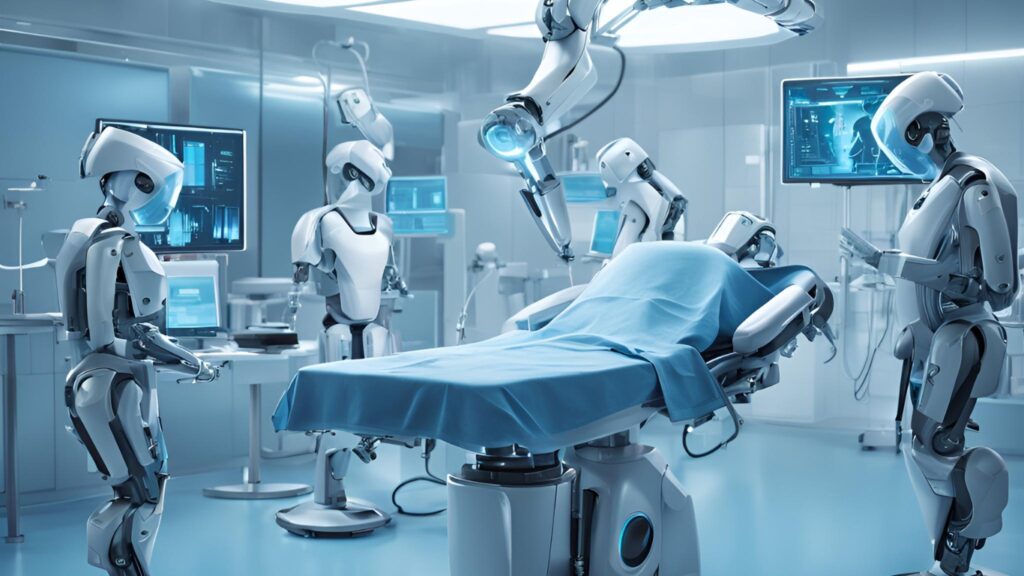
In recent years, artificial intelligence (AI) has made tremendous advancements, revolutionizing various industries, including healthcare. From managing medical records to personalized treatment consultations, AI has optimized processes, personalized experiences, and improved treatment outcomes for each patient. Below are 9 remarkable applications of AI in healthcare, showcasing the vast influence of technology on human lives.
1. Medical records and data management
Managing medical data has always been one of the most critical and complex tasks in healthcare. With the support of AI, this process has become more efficient and accurate. AI can collect, store, and reformat data quickly and consistently, providing real-time, precise information to doctors and healthcare professionals. This application has significantly reduced the time and effort required for retrieving and managing medical records, improving the decision-making process in treatment.
2. Specialized operations
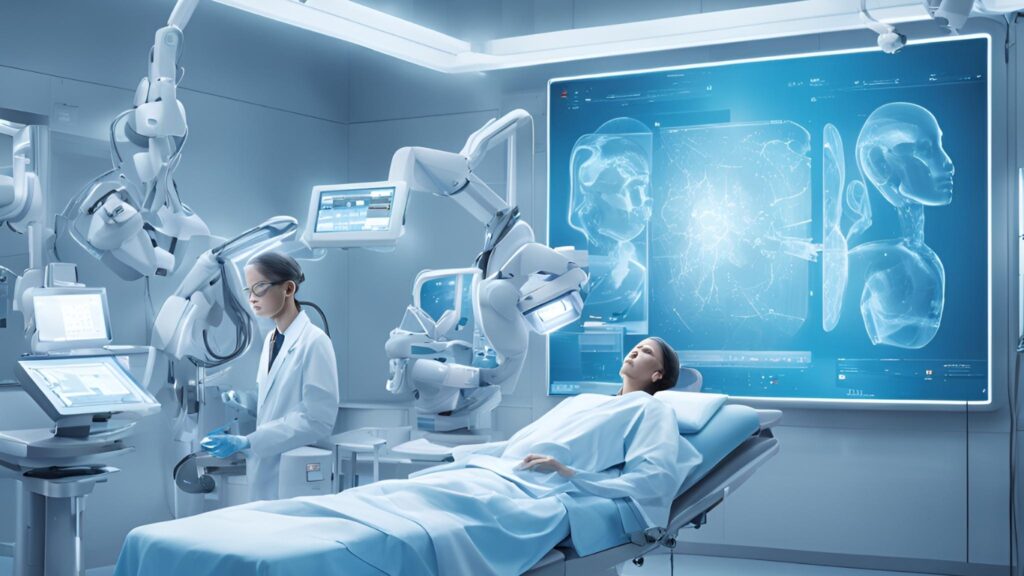
AI excels in performing precise tasks such as analyzing CT scans, X-rays, and other specialized tests. It processes large amounts of data rapidly, allowing doctors to focus on more complex cases. This is particularly valuable in fields like cardiology and radiology, where data analysis is time-consuming. AI-powered robots act as indispensable assistants, reducing the workload for specialists while maintaining accuracy.
3. Digital consultation
AI-powered healthcare consultation applications are becoming increasingly common, providing remote care services. Based on personal medical history and general medical data, AI can offer tailored recommendations to each patient. Patients can report symptoms via voice recognition or text, and AI compares them with an extensive disease database to suggest potential treatments, enabling users to monitor their health efficiently without visiting a clinic.
4. Personalized treatment plans
AI analyzes data from patient records, clinical studies, and other medical sources to suggest optimal treatment options. These systems continually update and refine treatment methods based on the latest information. This ensures doctors select the most appropriate therapies, personalizing treatment plans to optimize outcomes and reduce medical errors.
5. Virtual nursing assistants
Virtual nursing assistants are pioneering tools in remote patient care. These AI-powered applications monitor patient health, remind them of medication schedules, and treatments, and even assist with doctor appointments. Combining AI with wearable smart devices, virtual nurses ensure convenience while providing real-time data to healthcare professionals, enhancing the quality of care.
6. Medication management
AI has been applied to monitor and track patient medication use, ensuring adherence to prescriptions. These applications use image recognition technology via webcams or smartphones to verify medication intake, supporting patients in managing their health and reducing the risk of errors. This is especially useful for patients with complex medical conditions who need to take multiple medications simultaneously.
7. Precision medicine
AI has revolutionized fields like genetics and genomics. With its ability to analyze DNA information, AI can identify mutations and predict potential health issues based on genetics. This allows for early detection of diseases such as cancer and blood disorders, offering patients more effective treatment options at an earlier stage.
8. Personal health monitoring
Wearable health devices, such as smartwatches, have become popular for tracking heart rate, activity levels, and other body metrics. Paired with AI, these devices analyze data, providing users with detailed insights and alerts when health interventions are needed, like exercise or dietary changes. This data can also be shared with doctors for a more comprehensive understanding of the patient’s health status.
9. Healthcare system analysis
AI can sift through and analyze healthcare system data to identify errors in treatment methods, and inefficiencies in workflows, and offer improvement solutions. AI also helps minimize unnecessary hospitalizations, reducing the burden on healthcare systems and improving overall patient care.

Future R: A smart companion in education
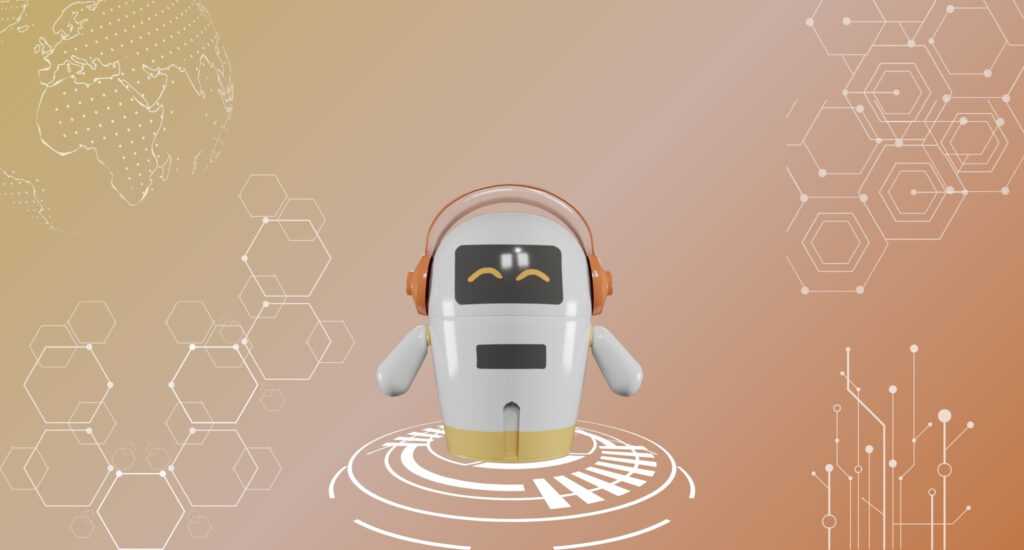
Just as AI has revolutionized healthcare, Future R is at the forefront of applying robotics and AI to education. Our intelligent robots are designed to be the “smart companions” for children, guiding them on their journey to conquer knowledge.
Future R products are engineered to personalize the learning process for every child, allowing them to develop at their own pace and maximize their learning potential. Our robots not only support educational activities but also monitor progress, offering tailored teaching methods to enhance the learning experience.
We believe that technology is not just a tool but a bridge that strengthens the emotional bond between parents and children through education. At Future R, we are committed to delivering products that combine cutting-edge technology with the values of care and compassion, ensuring parents can be with their children every step of the way in their growth journey.
The future of education is in your hands, and with Future R’s technology, we can help your child achieve academic success with the support of intelligent, caring, and empathetic robots.